Timeout vs. Brick: Which NFC App Blocker Is Right for You?
While the two products share a similar concept, they are built around slightly different philosophies. Understanding those differences can help you choose the one that best fits your lifestyle.
If you've been searching for ways to reduce screen time, improve focus, or break the habit of endlessly opening social media, you've probably come across physical app blockers like Brick and Timeout. Both products take a unique approach to digital wellness by introducing a physical NFC card that adds an intentional step before you can access distracting apps. Instead of relying on willpower alone, they encourage you to pause, think, and decide whether opening Instagram, TikTok, YouTube, or other apps is really necessary.
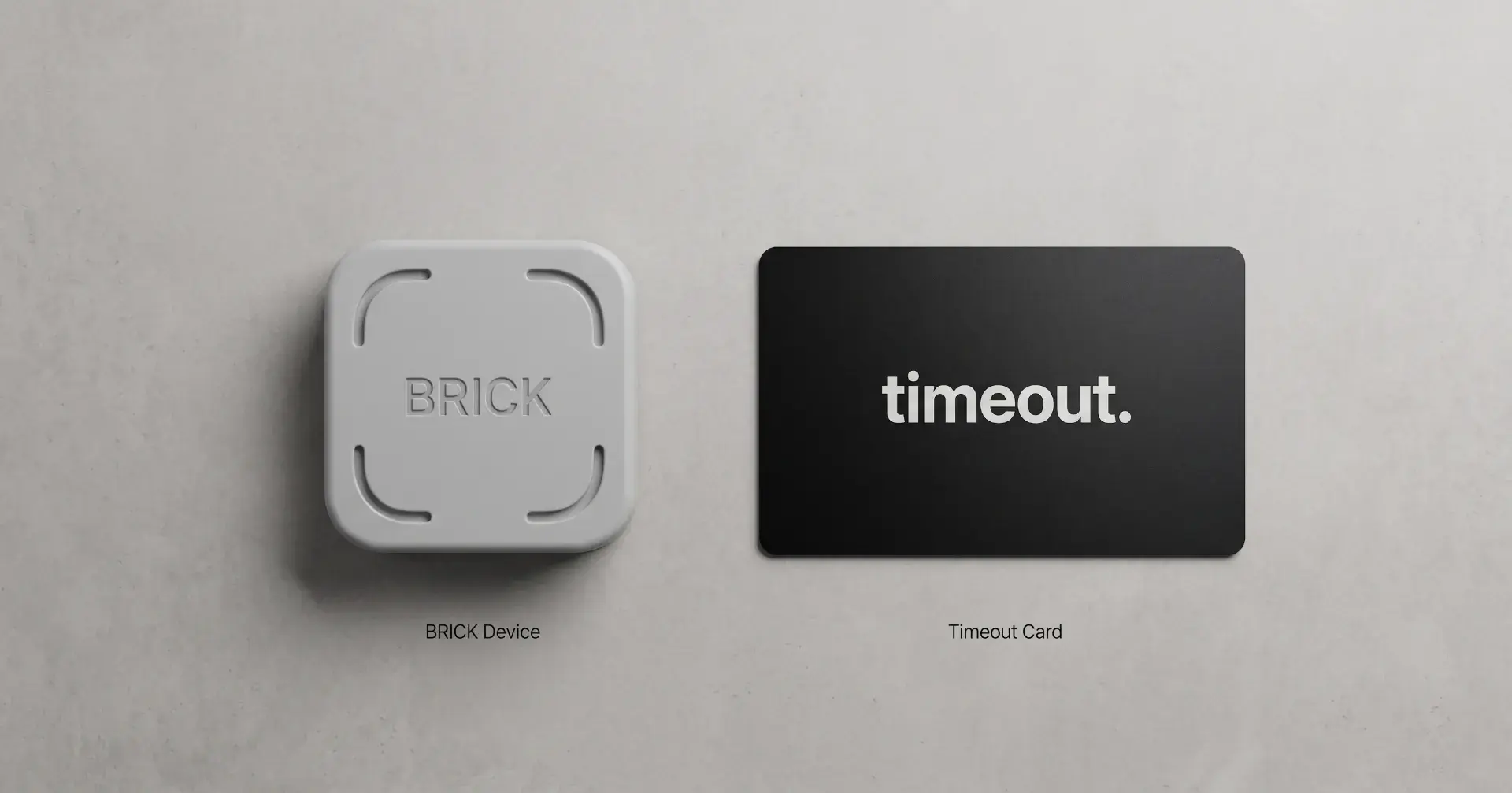
What Timeout and Brick Have in Common
At their core, both Timeout and Brick are designed to help people develop healthier relationships with technology. Rather than simply tracking screen time or sending reminders to take breaks, both use an NFC card that works alongside a mobile app to create a moment of intentional friction before opening selected apps.
The idea is simple: you choose which apps you want to block, activate the feature, and whenever you want to access those apps again, you'll need to physically tap your NFC card against your phone. That extra step may seem small, but behavioral science has long shown that adding even a minor amount of friction can interrupt automatic habits and encourage more mindful decision-making.
If your goal is to reduce doomscrolling or become more aware of how often you reach for your phone, both products offer an effective alternative to traditional screen-time limits.
Where Timeout Takes a Different Approach
Although both products share the same core functionality, Timeout was created with a broader vision than simply blocking apps.
Timeout isn't just positioned as a productivity tool or an app blocker. Instead, it's built around the idea of intentional digital habits. The physical NFC card is only one part of the experience. The larger goal is to help people become more conscious of how they spend their attention throughout the day.
Rather than asking users to eliminate technology, Timeout encourages a healthier relationship with it. Every unlock becomes an opportunity to pause and ask a simple question:
"Do I really need to open this app right now?"
Sometimes the answer is yes—and that's perfectly okay. Other times, that brief moment of reflection is enough to help you return to what matters most.

Digital Wellness Is About More Than Screen Time
Many discussions about digital wellness focus on reducing hours spent on a phone, but numbers alone don't tell the full story.
The real question isn't how much time you spend on your device—it's what that time replaces.
Timeout is built around protecting the moments that often disappear behind endless scrolling. That could mean finishing an important project without interruptions, enjoying your morning coffee without instinctively checking notifications, spending quality time with friends and family, reading one more chapter of a book, going for a walk, or simply sitting with your own thoughts for a few minutes.
The product exists to support those moments—not replace them.
That's why Timeout describes itself as a lifestyle brand rather than simply an app blocker. The technology is important, but it's the habits that ultimately make the difference.
Which One Should You Choose?
Both Timeout and Brick offer an innovative way to reduce digital distractions by introducing physical friction before opening apps. If you're specifically looking for an NFC-based app blocker, either product can help you become more intentional with your phone usage.
If, however, you're looking for a product that also embraces a broader philosophy of mindful technology use and intentional living, Timeout aims to extend beyond app blocking by encouraging healthier daily routines and a more balanced relationship with your devices.
Ultimately, there isn't a one-size-fits-all answer. The right choice depends on your goals, your habits, and the kind of relationship you want to build with technology.
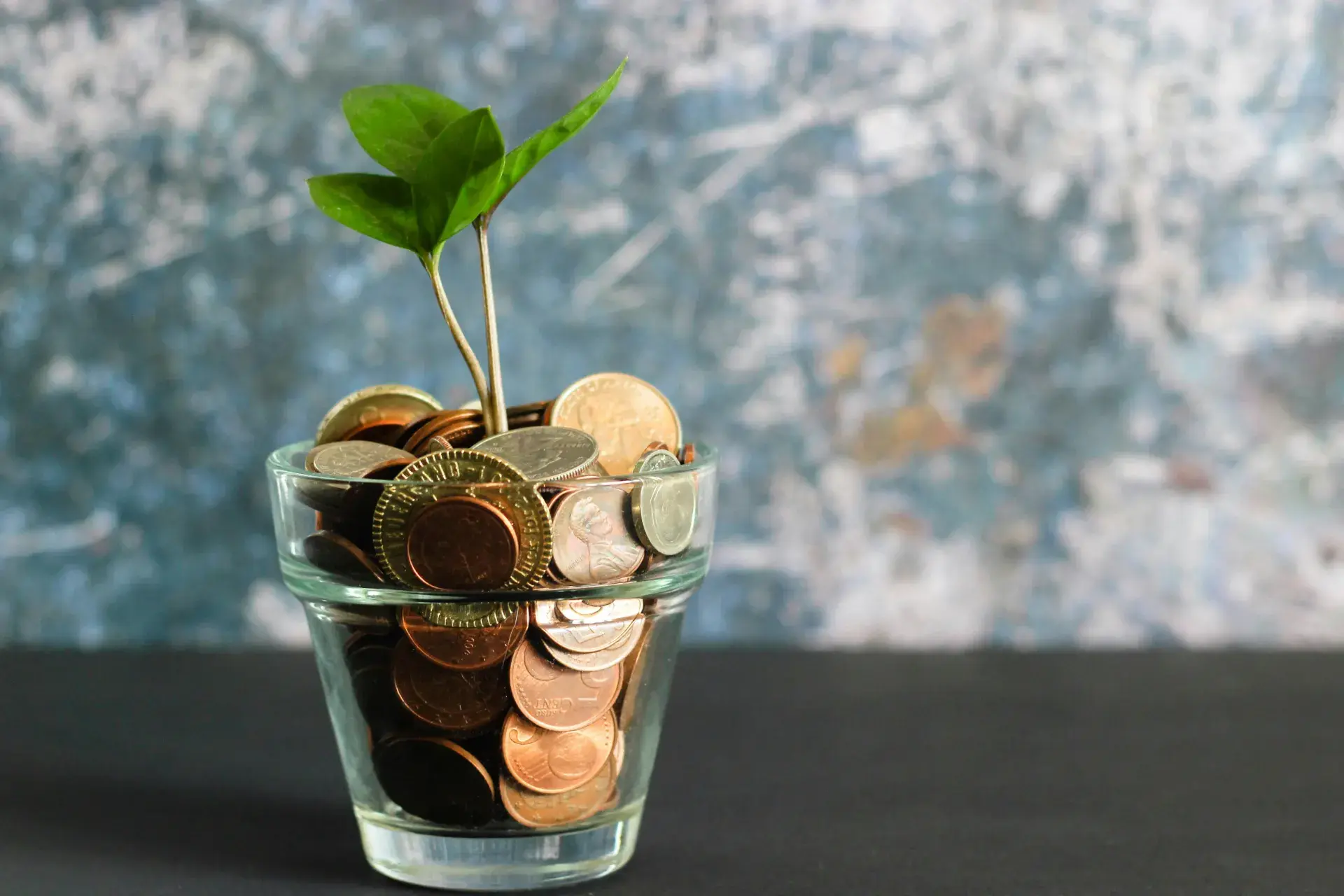
Affordable Digital Wellness
Another important consideration is price.
Both Timeout and Brick use the same core concept—a physical NFC card that helps interrupt mindless scrolling. However, they are positioned differently in terms of cost.
At the time of writing, Brick starts at around US$59 (approximately ₱3,300–₱3,500 before shipping, taxes, or currency conversion, depending on exchange rates), while Timeout is available for ₱999.
Timeout was designed with one goal in mind: making digital wellness accessible to more people. Building healthier habits shouldn't require a premium price tag. Whether you're a student, a creator, or a working professional, the goal is to provide a simple, effective tool that fits naturally into everyday life without becoming a significant financial investment.
Price alone doesn't determine the value of a product, but it can influence whether someone takes the first step toward building better habits. Timeout aims to lower that barrier while delivering the same core principle: making every unlock a conscious choice.
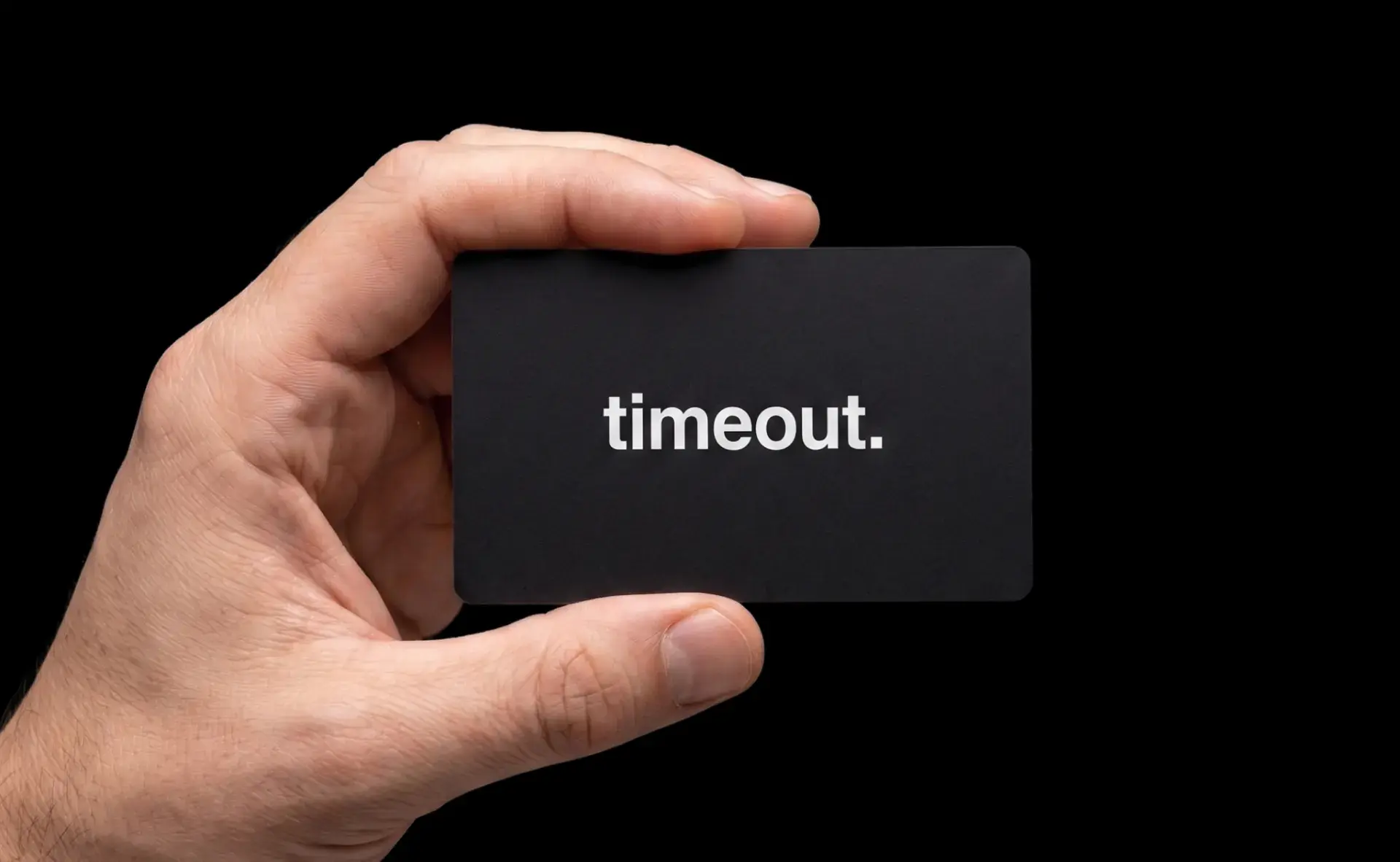
Build Better Habits, One Unlock at a Time
Technology isn't the enemy. In fact, it has transformed the way we communicate, work, learn, and create. The goal of digital wellness isn't to avoid technology altogether—it's to use it intentionally.
That's the philosophy behind Timeout.
By turning every unlock into a conscious decision, Timeout helps transform small everyday actions into lasting habits. Whether you're working, studying, creating, or simply enjoying a quiet moment away from notifications, the most valuable feature isn't the NFC card itself—it's the pause it creates before every scroll.
If you'd like to learn more about Timeout and how it works, visit https://timeoutcard.com to explore the product and discover how one small habit can make a meaningful difference in your daily life.